We conducted a triangulation of research to understand the "why" behind the sleep crisis, utilising 52 survey responses, 11 in-depth interviews, and online ethnography (Reddit/Discord).
1
Escapism over Rest: Smartphones are an instinctive coping mechanism for stress and boredom. Students use scrolling to "unwind," but it inadvertently delays sleep and increases anxiety.
2
The "Structure" Gap: Students lack external structures to regulate their day. Without fixed routines, academic responsibilities bleed into the night, displacing sleep.
3
Desire vs. Discipline: Students want to be productive and sleep better, but the immediate dopamine hit from the phone often outweighs the long-term benefits of sleep.
We didn't need to teach students how to sleep; we needed to create tangible friction that stopped the phone from hijacking their routine.
The Problem
University students are experiencing a sleep and productivity crisis. The accessibility of the smartphone negatively influences daily routines, causing students to undermine the value of sleep by seeking immediate digital rewards.
The Problem
How might we...
Reduce technostress by transforming the smartphone from a source of distraction into a tool for structured productivity and sleep hygiene?
The Solution
The Solution
Rootine (formerly "Bloom") is an ecosystem that gamifies focus. It moves the solution out of the app store and into the physical world.
The Phone Dock
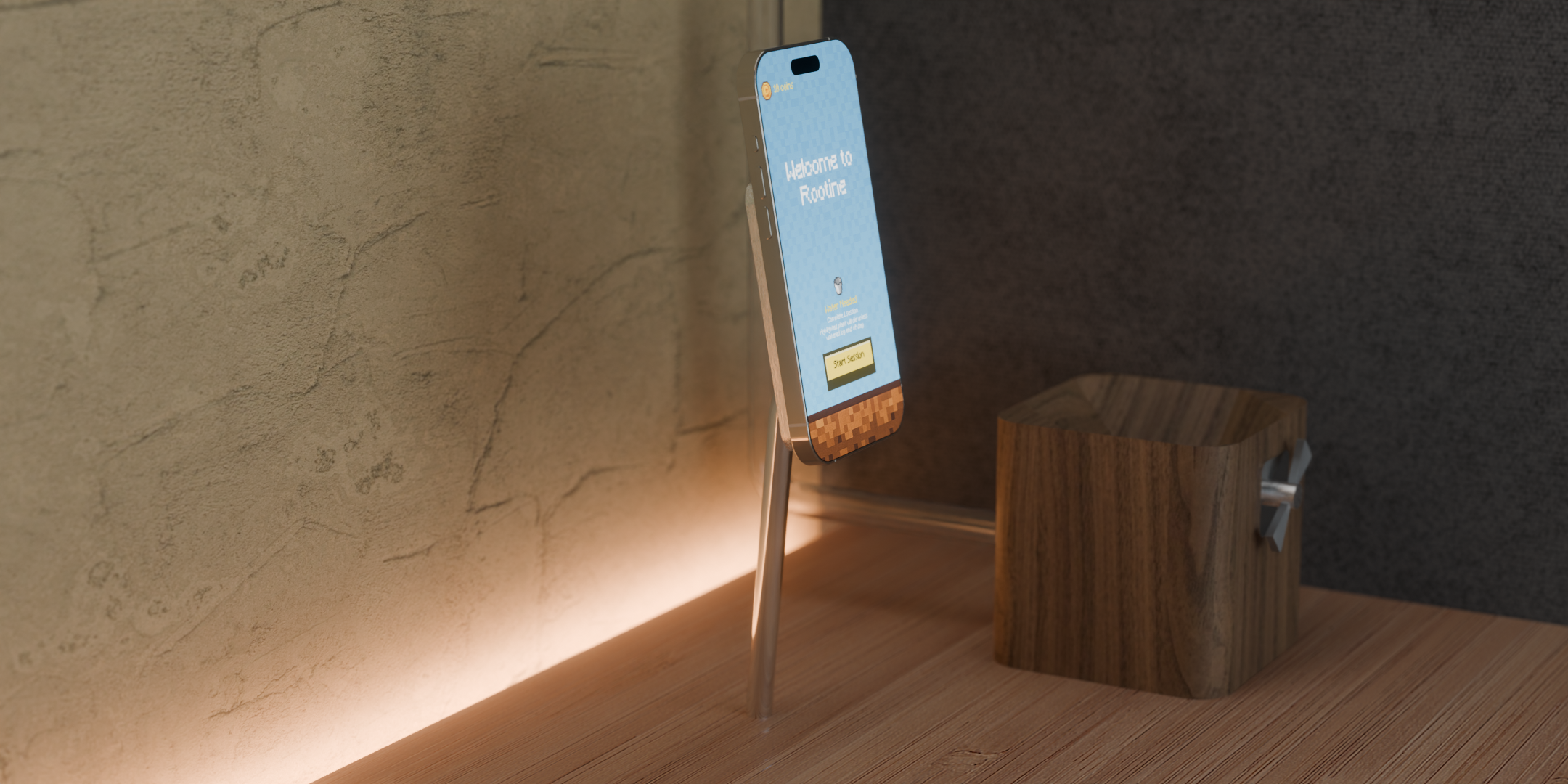
The entry point to the ecosystem. Users physically dock their phone to initiate a synced study session, transforming the device from a distractor into a passive progress tracker.
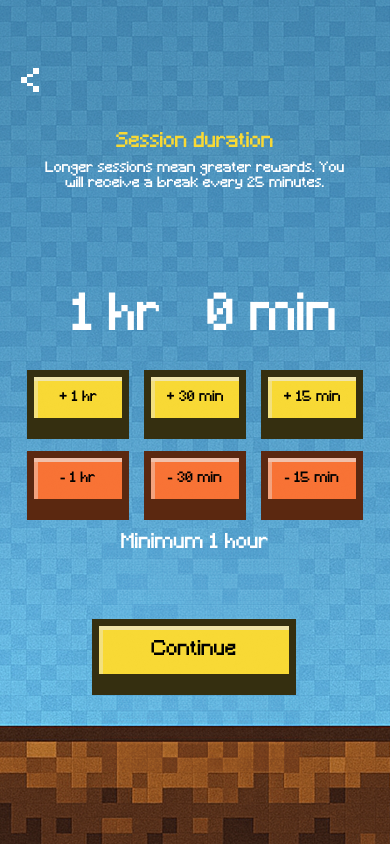
Customisable Friction: Users set session goals and adjust difficulty levels (represented by hearts).
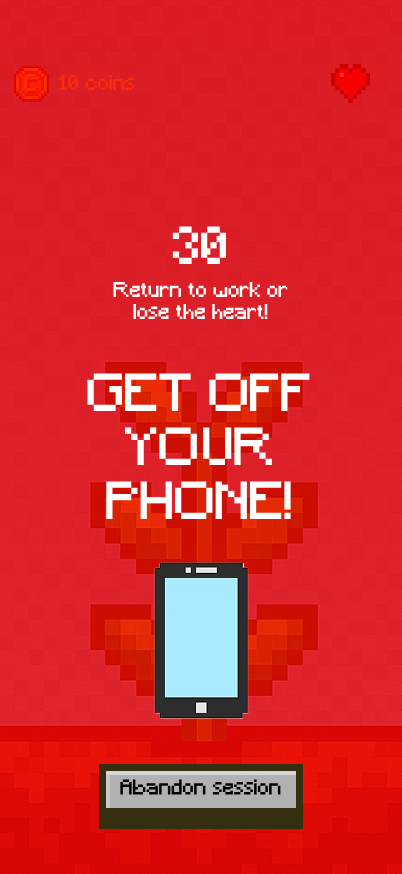
Deterrent Mechanics: Undocking the phone triggers a stern warning and potential session abandonment, adding necessary friction to impulsive scrolling.
The Dispenser
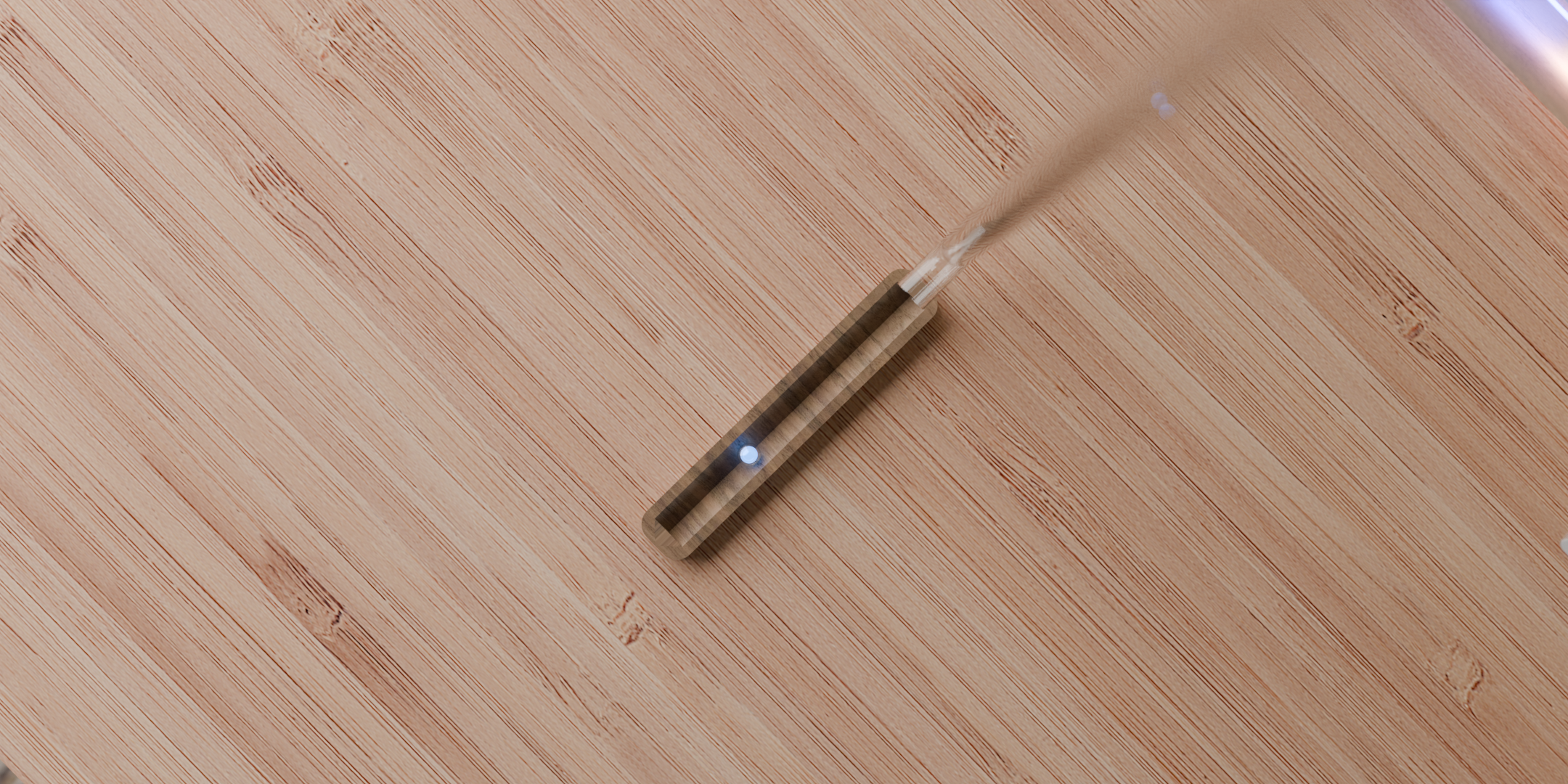
To bridge the digital and physical worlds, a ceiling-mounted tube system delivers a glowing marble (token) upon successful session completion.
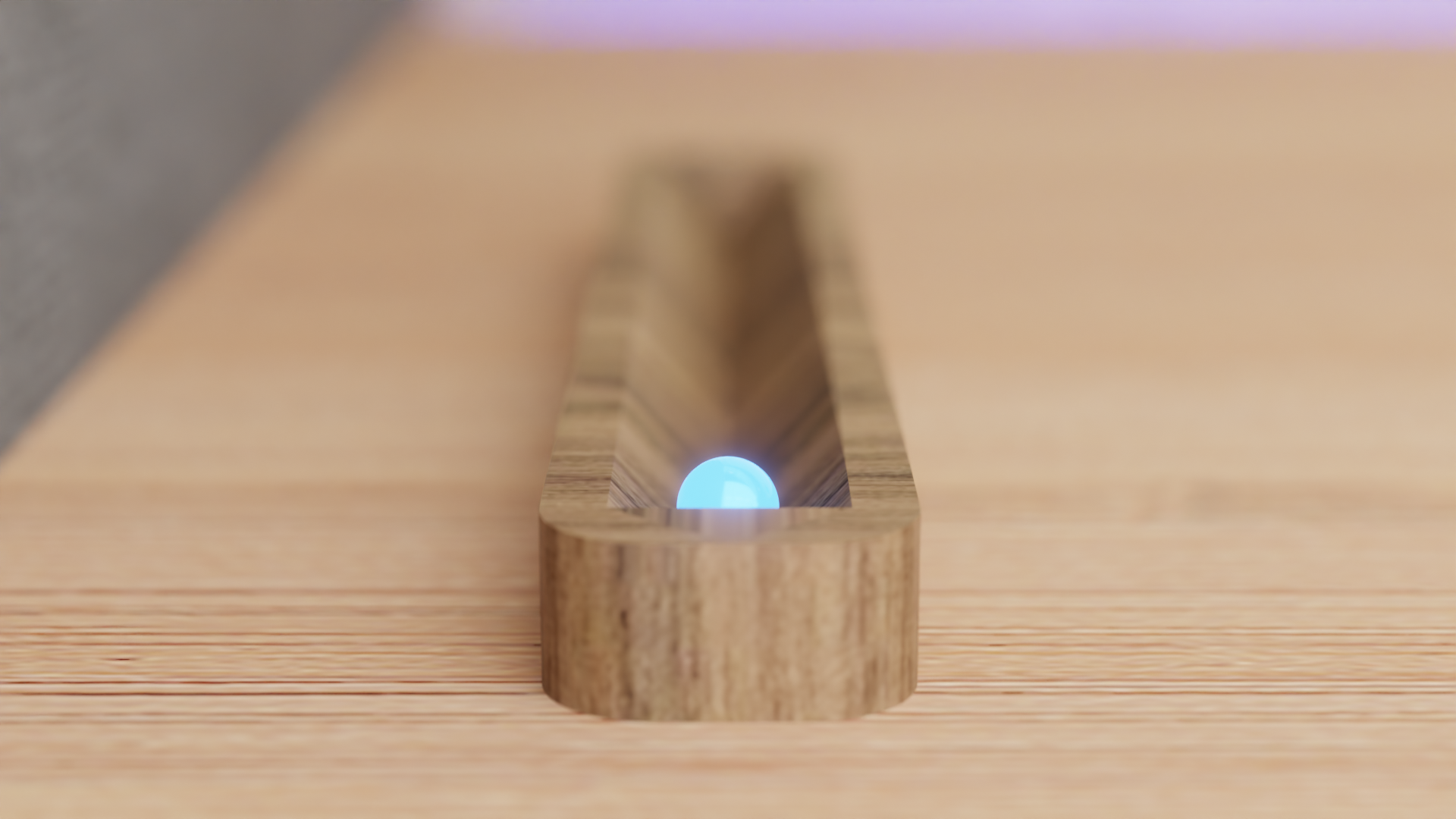
Immediate Feedback: The marble drops into a carved wooden channel, providing an instant auditory and visual reward for the user's effort.
Fidget-Friendly: The banking channel allows for momentary tactile play before redemption, serving as a micro-break ritual.
The Collector
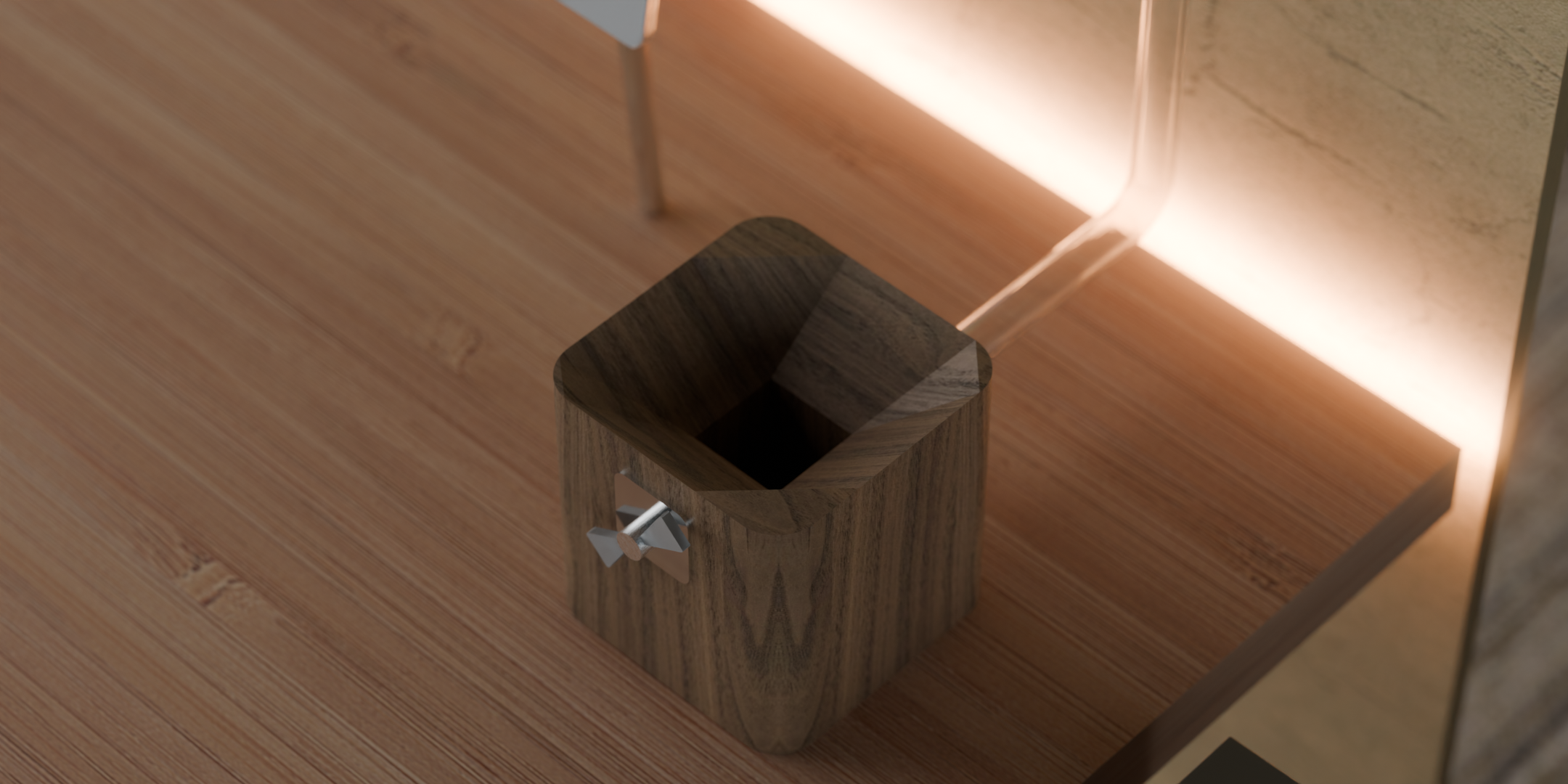
Inspired by the joy of gumball machines, this component creates a satisfying ritual for redeeming tokens.
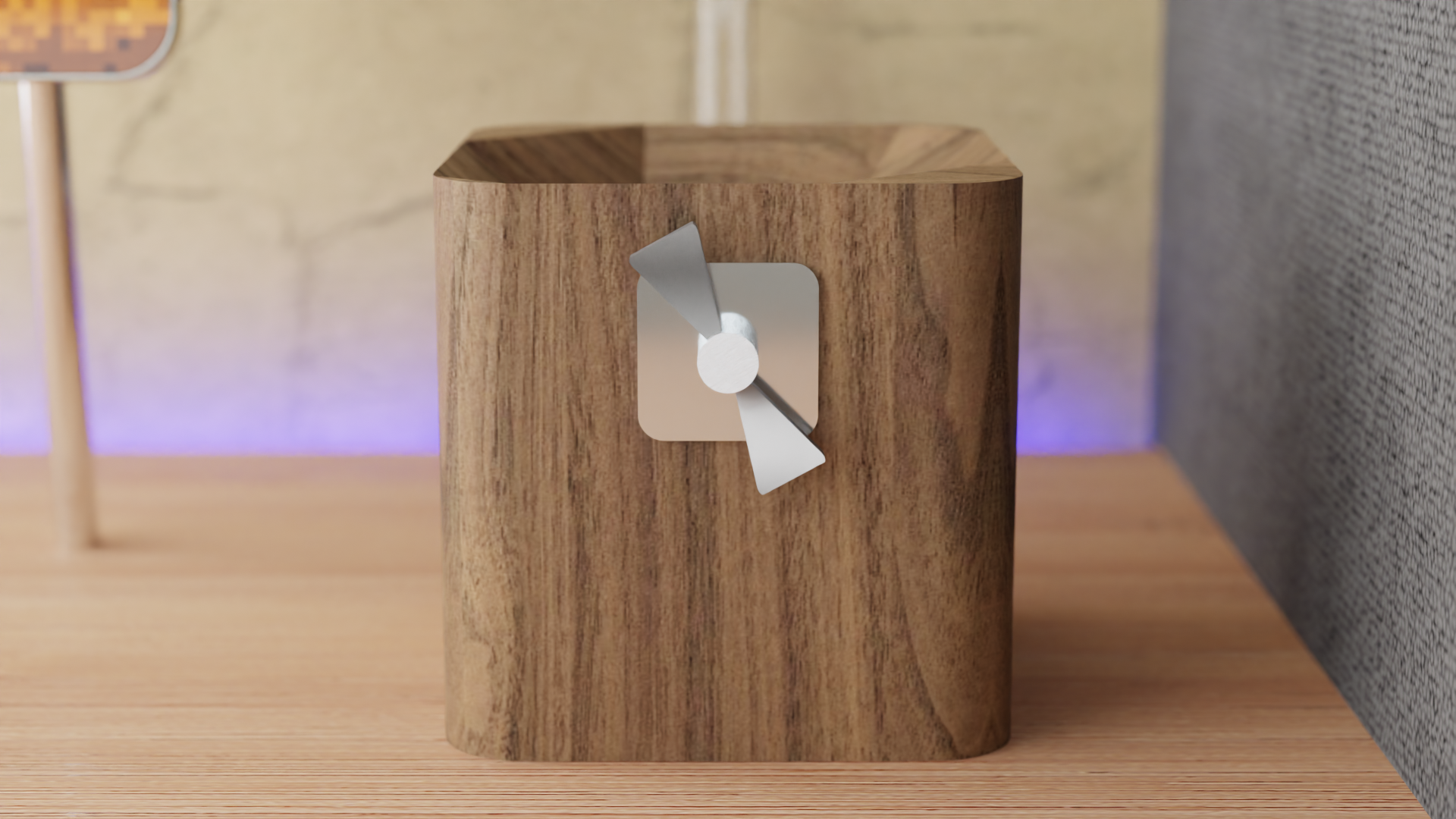
Tactile Interaction: Users deposit their earned marble and rotate a physical dial to "bank" their session.
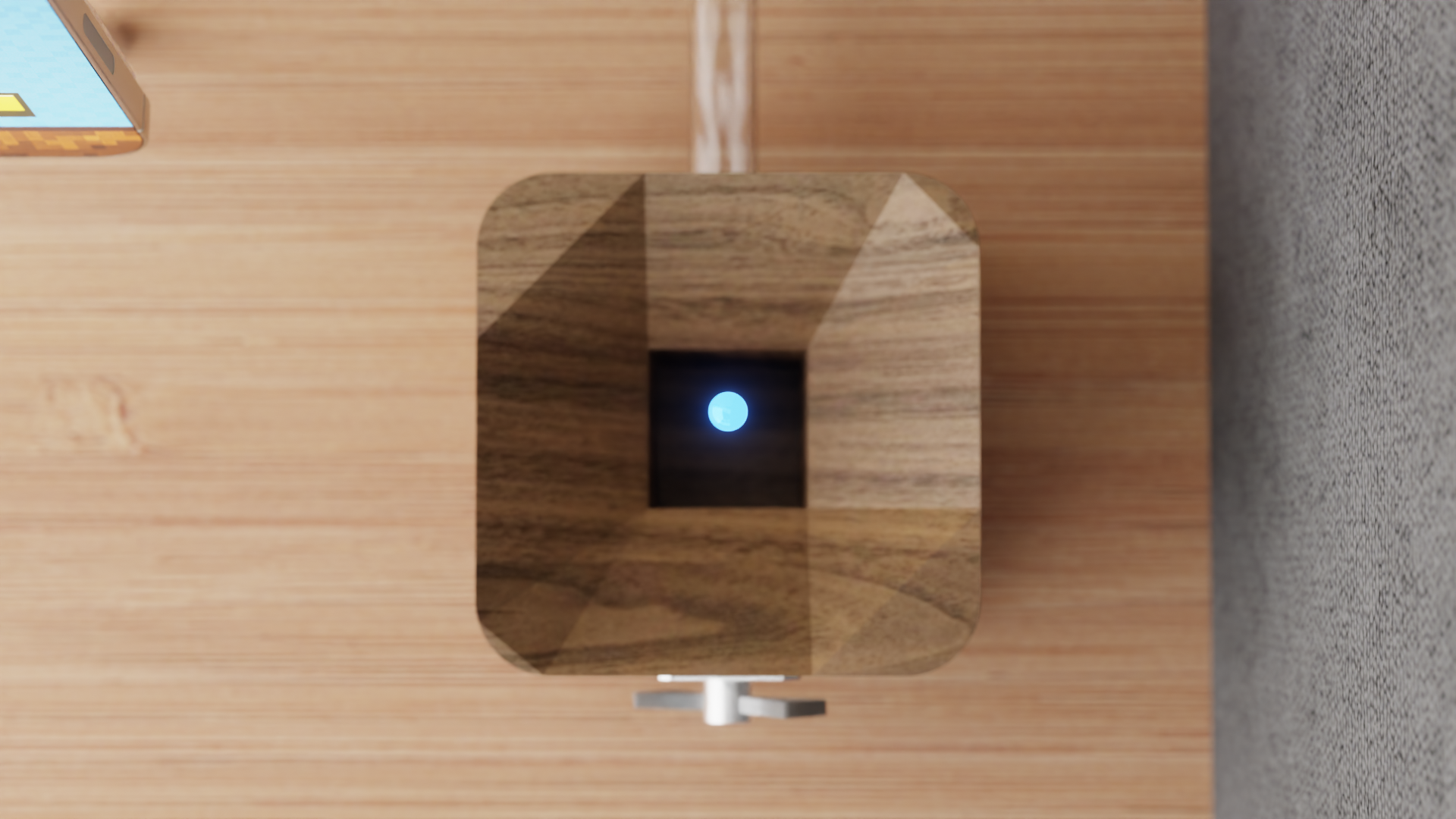
Gamified Input: This manual interaction was designed based on user feedback to provide a tactile sense of finality and accomplishment to the study period.
The Garden
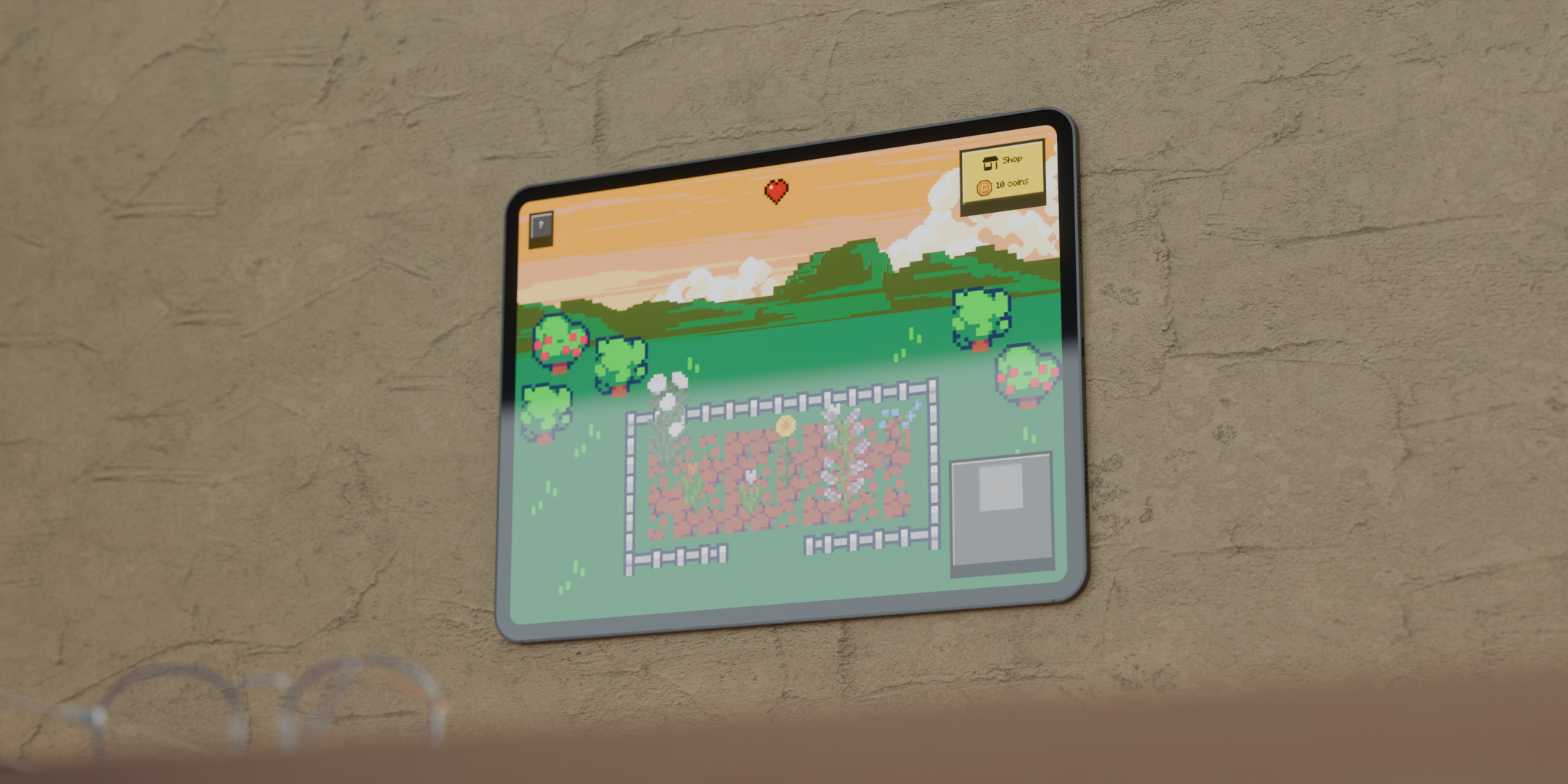
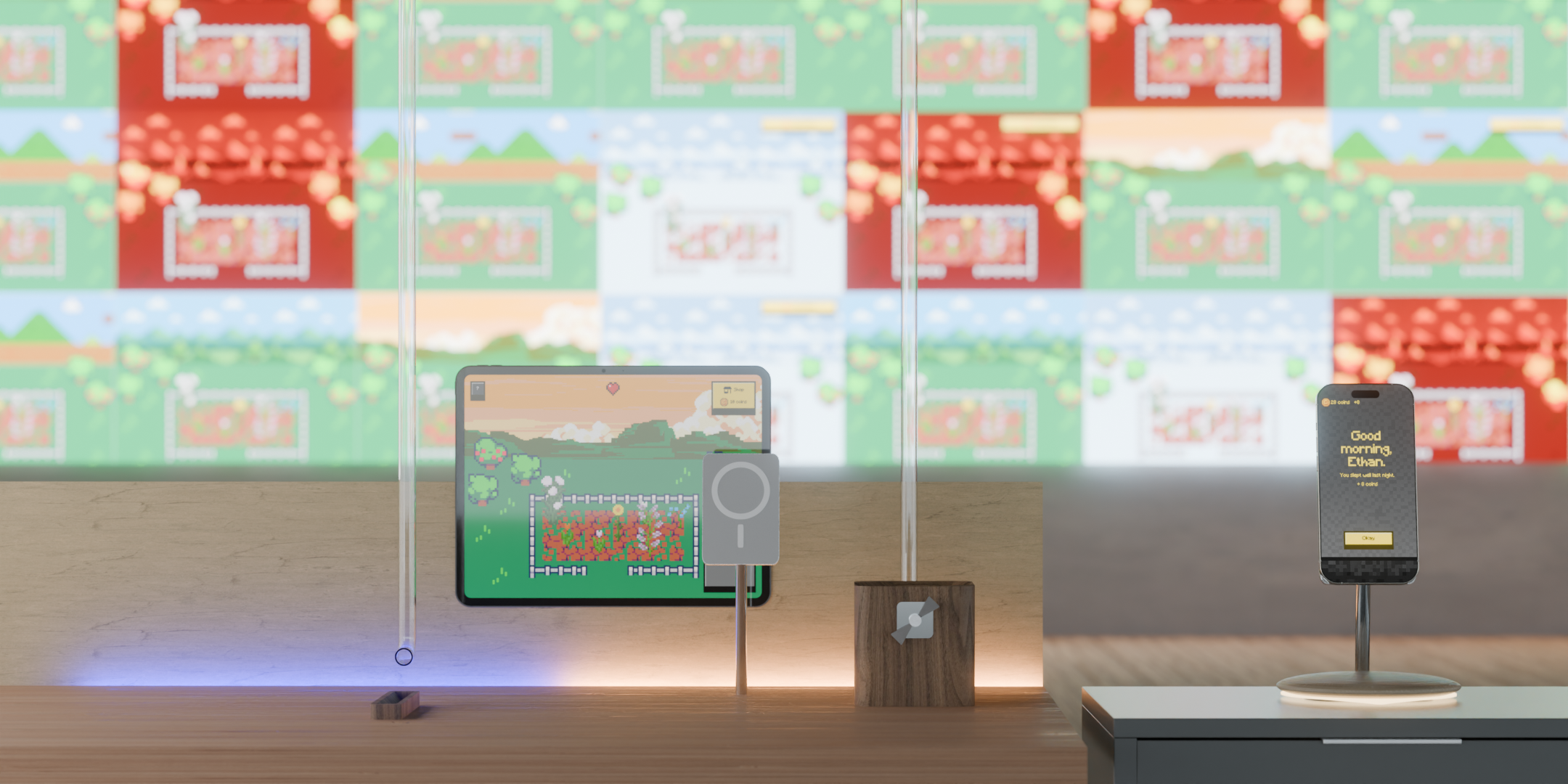
A booth-mounted display that serves as the user's primary motivator. It uses gamification to visualise sleep health and study habits as a living ecosystem.
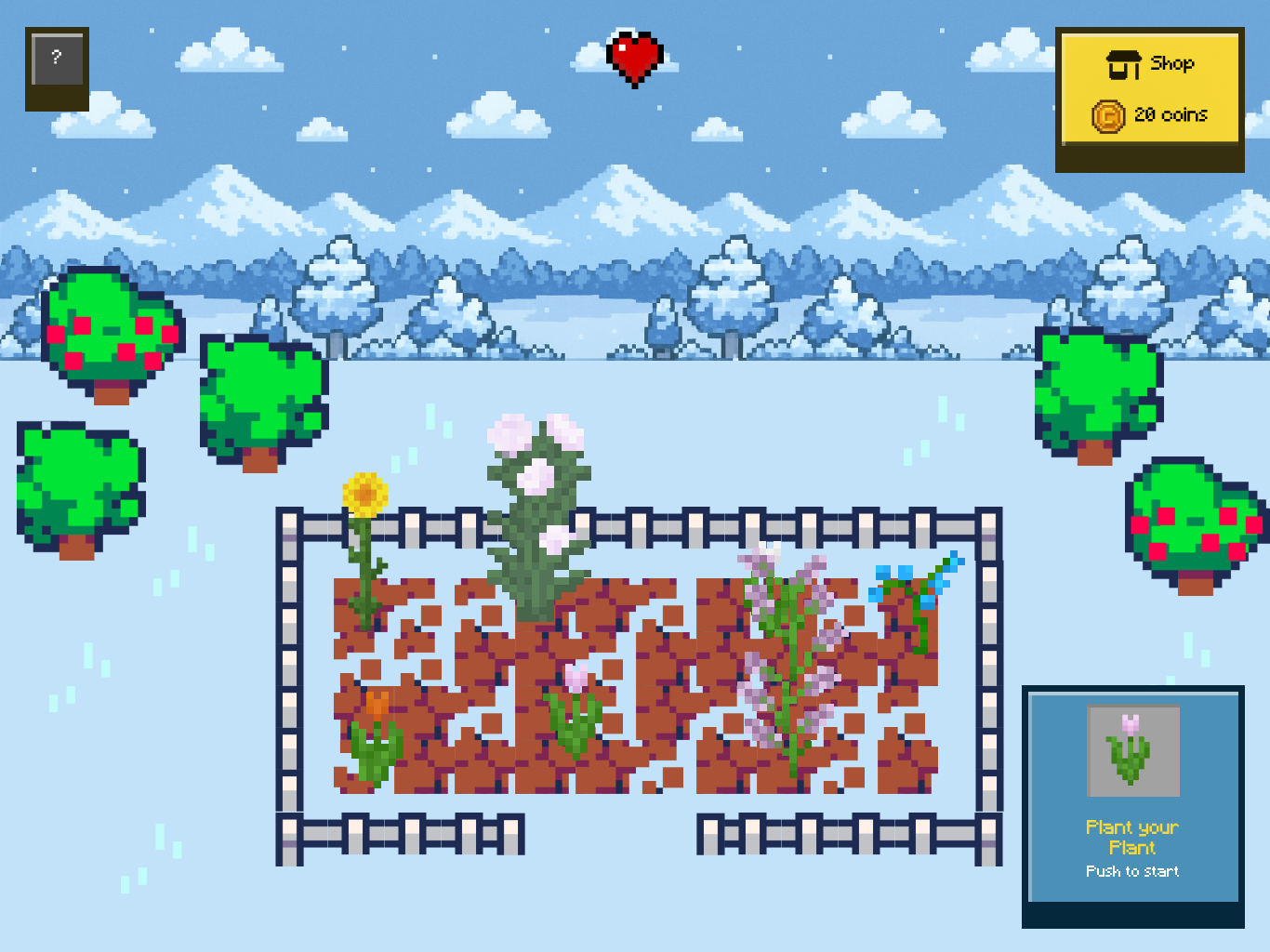
Progression & Penalty: Consistent study unlocks rare flora, while phone usage during focused blocks burns through a timer, causing plants to wither or perish.
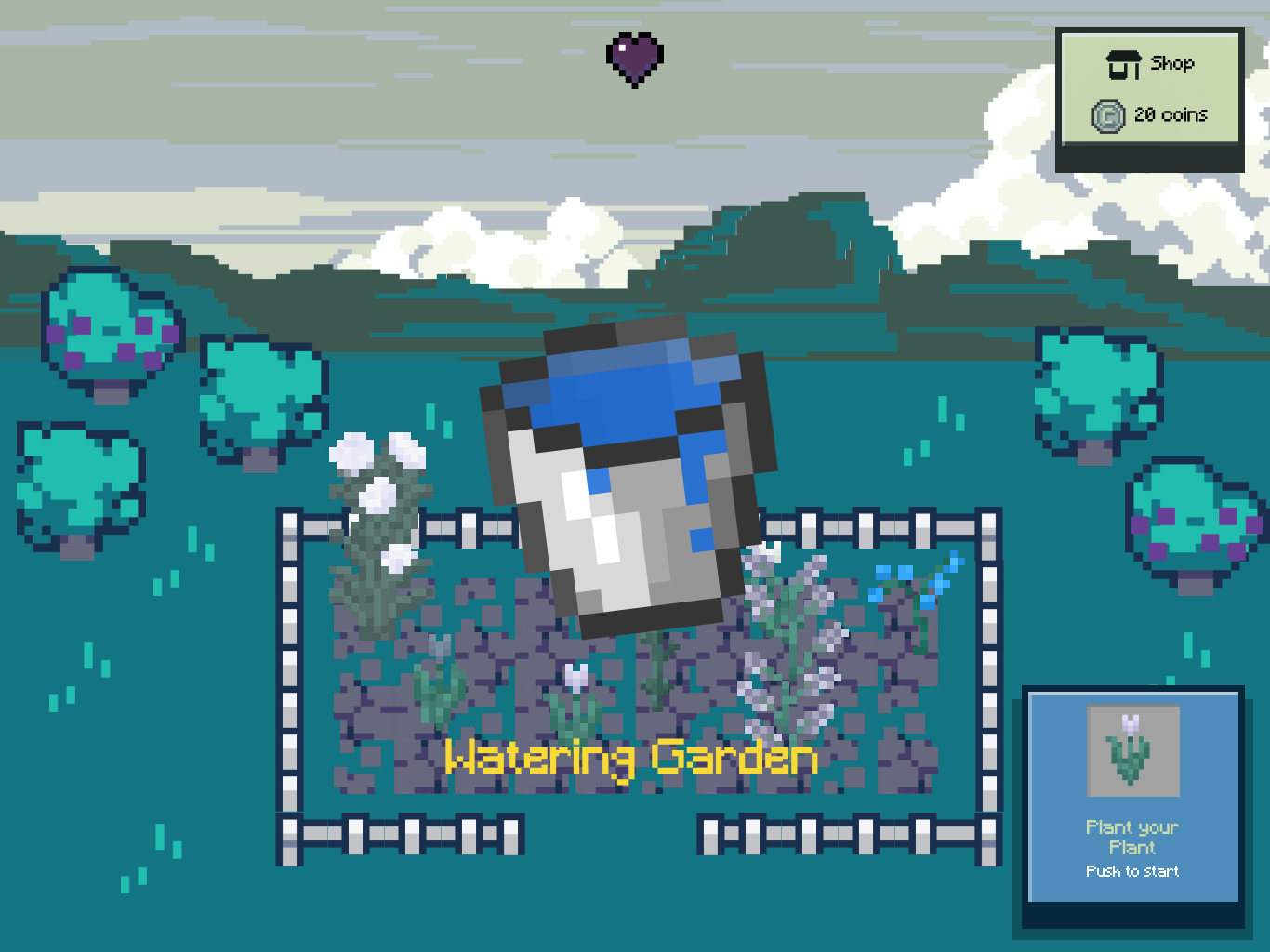
Maintenance: Users must complete sessions to "water" their garden, discouraging long periods of inactivity.
The Wall
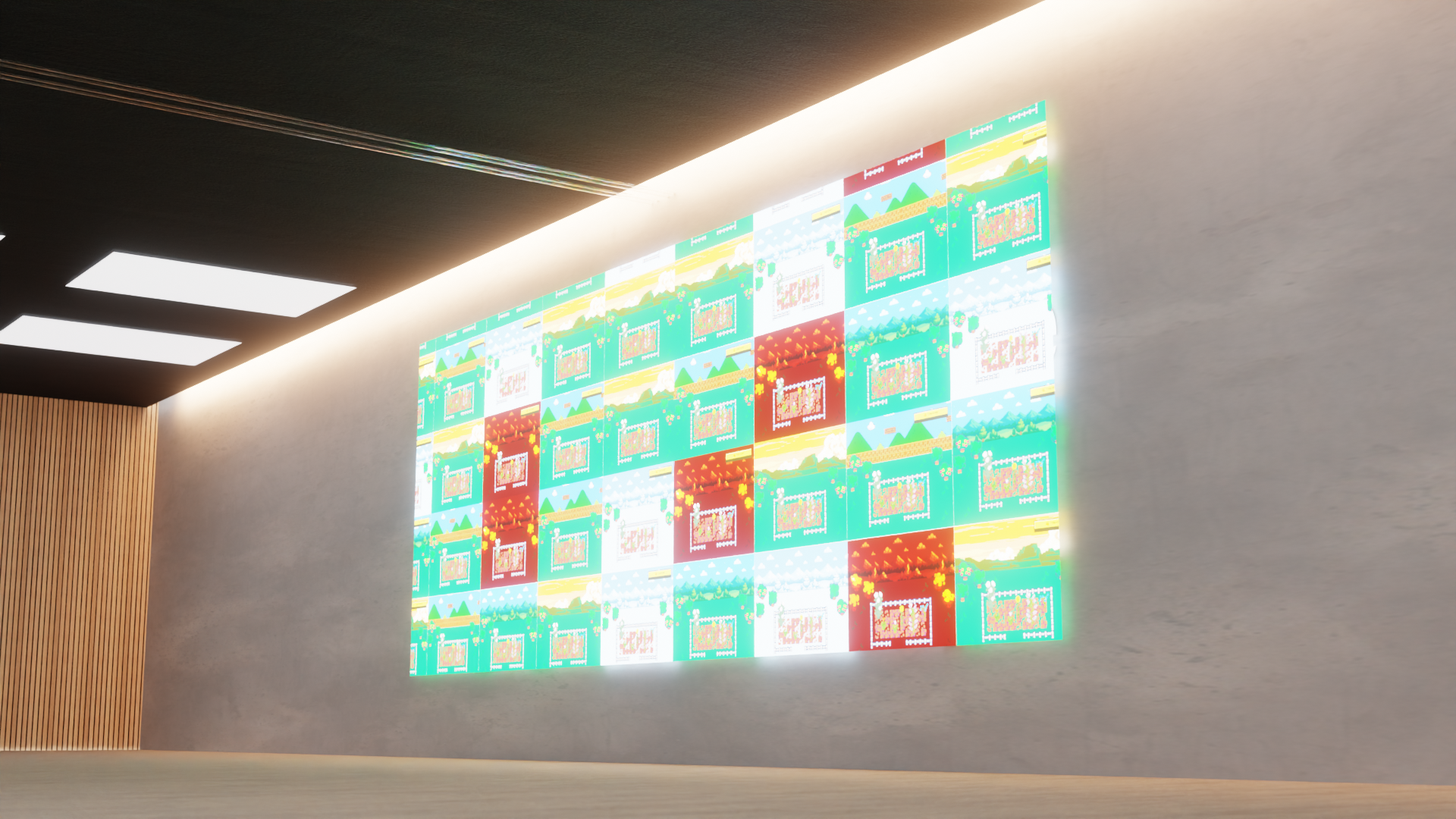
To combat the "novelty effect," this large-scale public display showcases the gardens of all active users in the library.
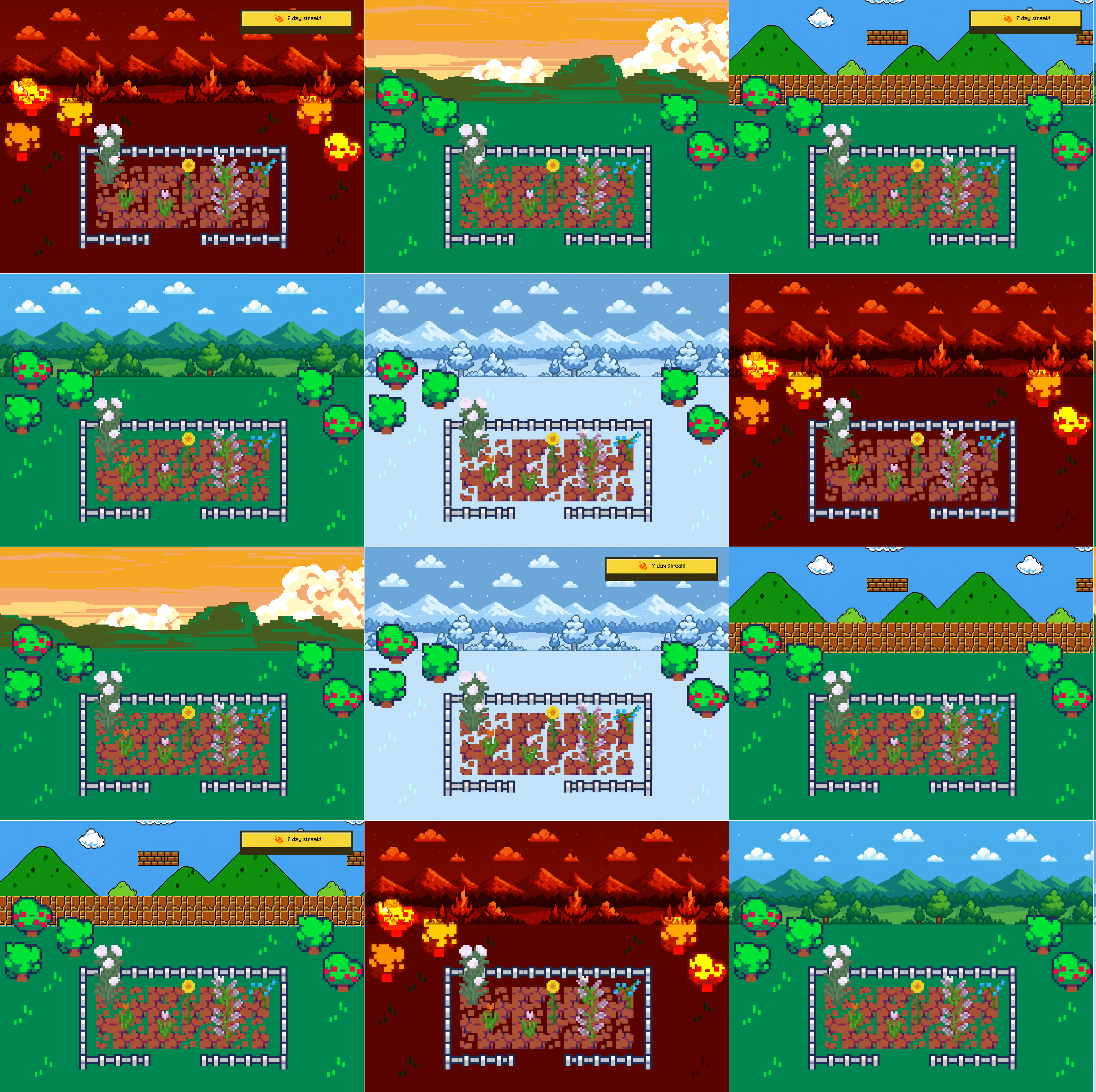
Community Motivation: Inspired by collaborative art projects like r/Place, it fosters a sense of healthy competition and shared purpose among students.
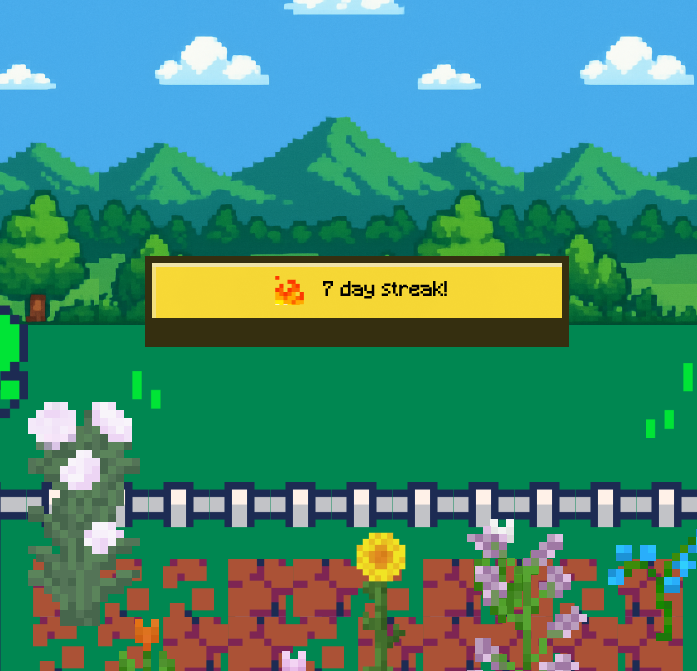
Retention: Public streak counters encourage long-term adherence to routine by making progress visible to peers.
The Bedside Dock
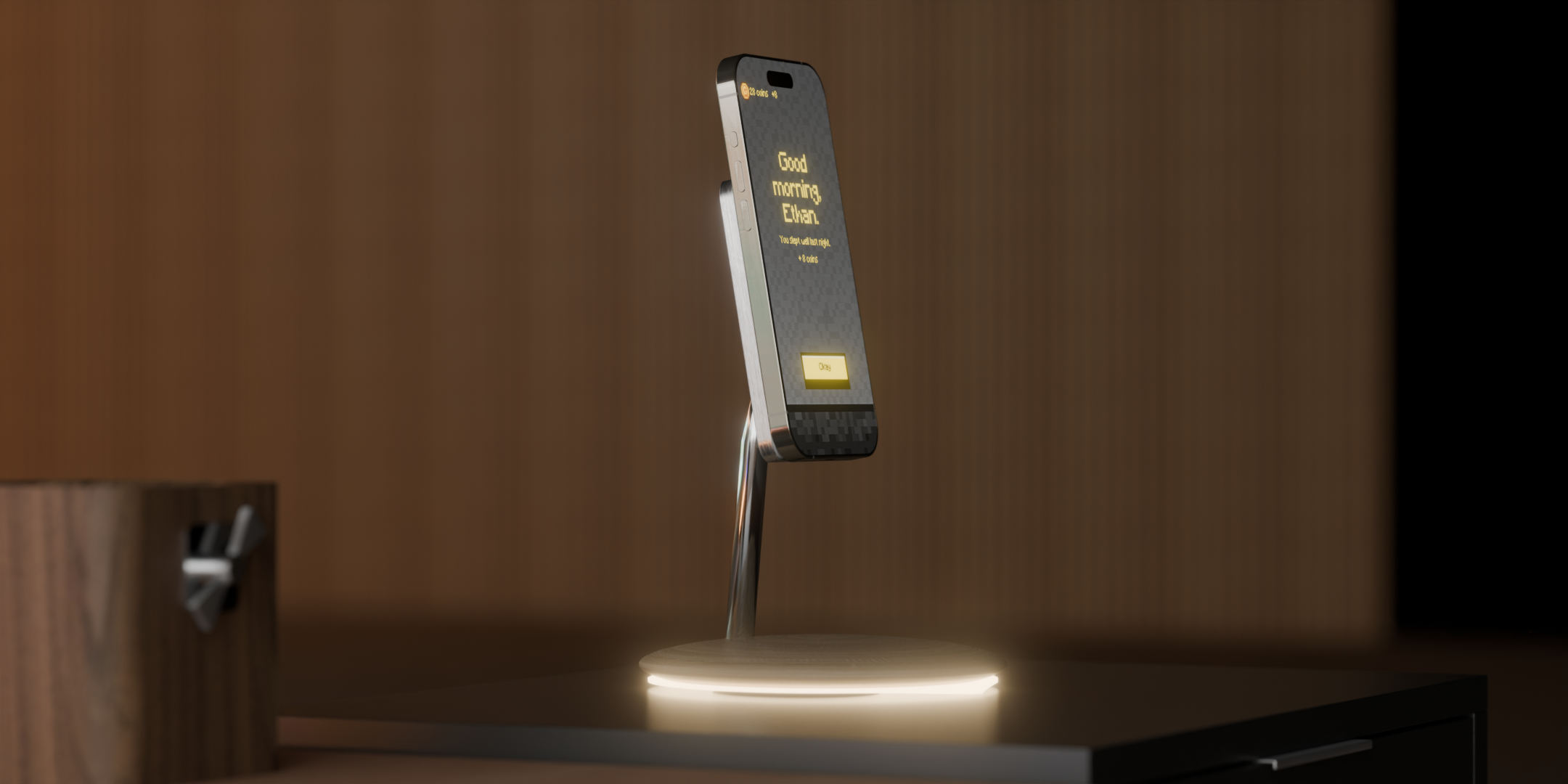
A companion device that bridges the gap between academic productivity and sleep hygiene.
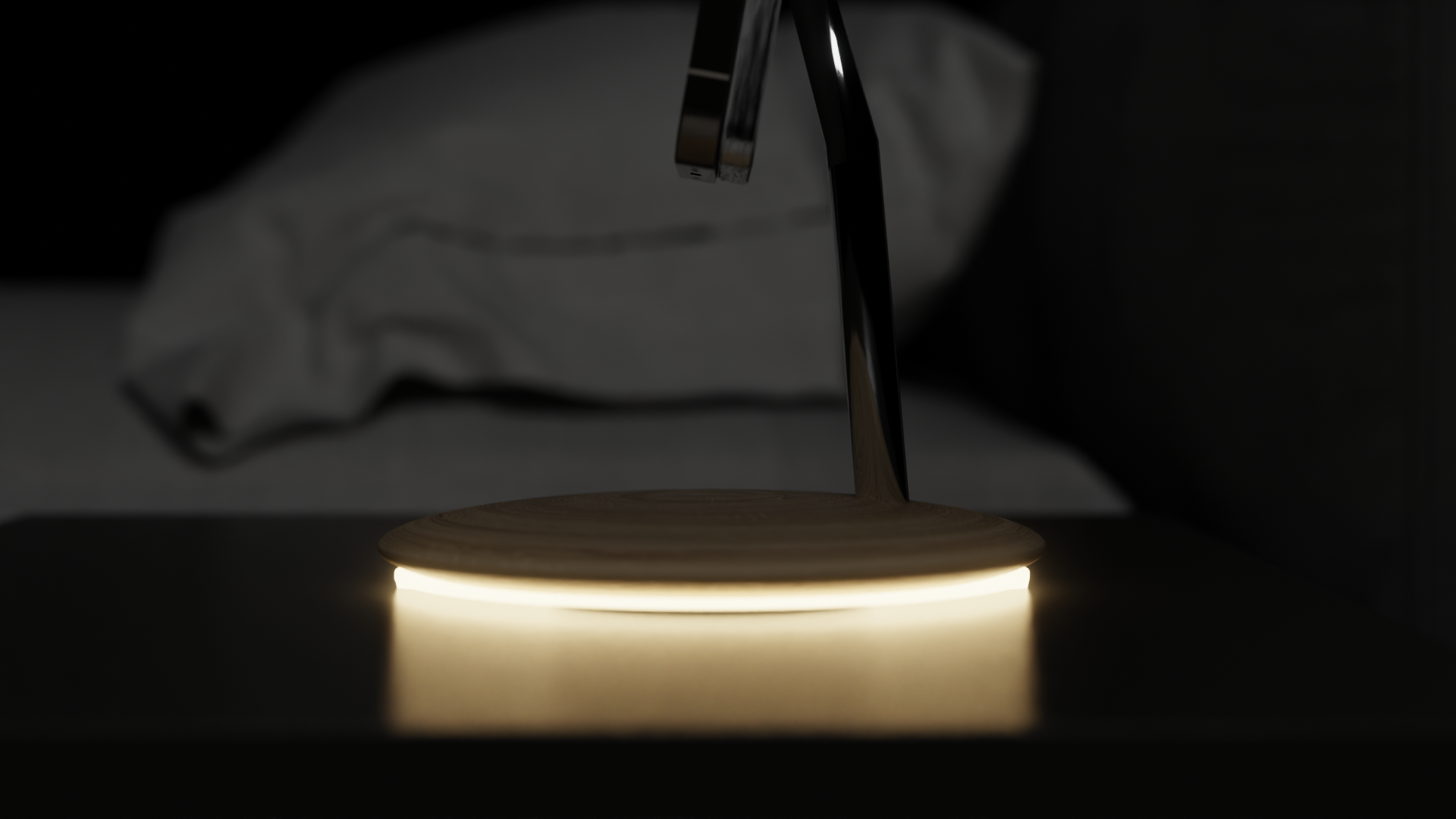
Ambient Wake-Up: The dock mimics a sunrise to support the body's natural circadian rhythm, ensuring students wake up refreshed for their next study session.
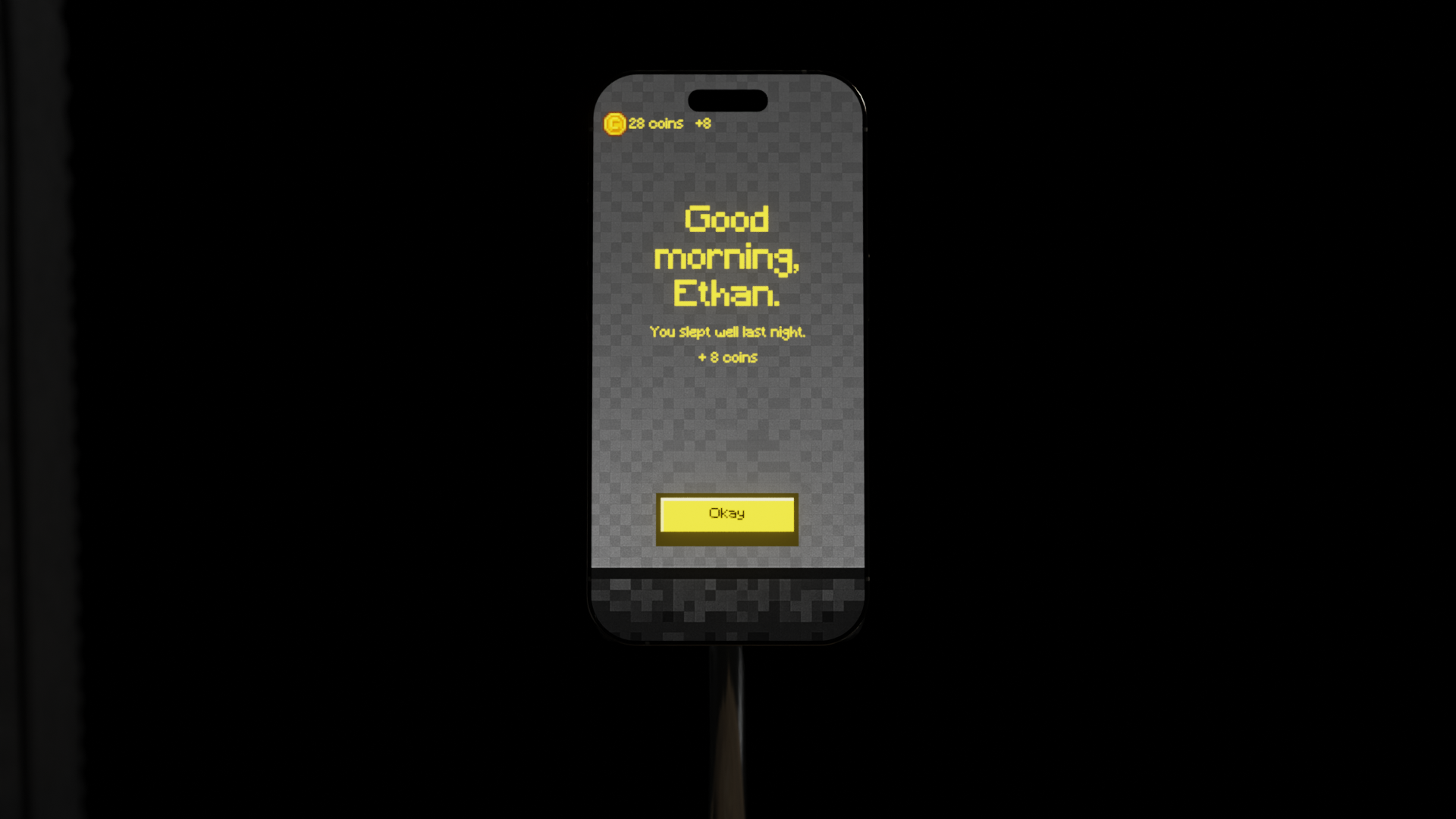
Sleep Incentives: Users earn additional currency for "healthy sleep choices," such as maximising phone-free time between 10 PM and 6 AM.
The Design Process
The Brief
“To design interactive and engaging experiences related to care. The goal is to enhance experience and practice in care, meet unmet needs, or address a specific problem in care-related contexts, fostering holistic well-being for your targeted user group. Your final design solution must integrate digital, physical, and processual/spatial components, ensuring meaningful and interactive experiences rather than just providing a one-way digital information channel.”
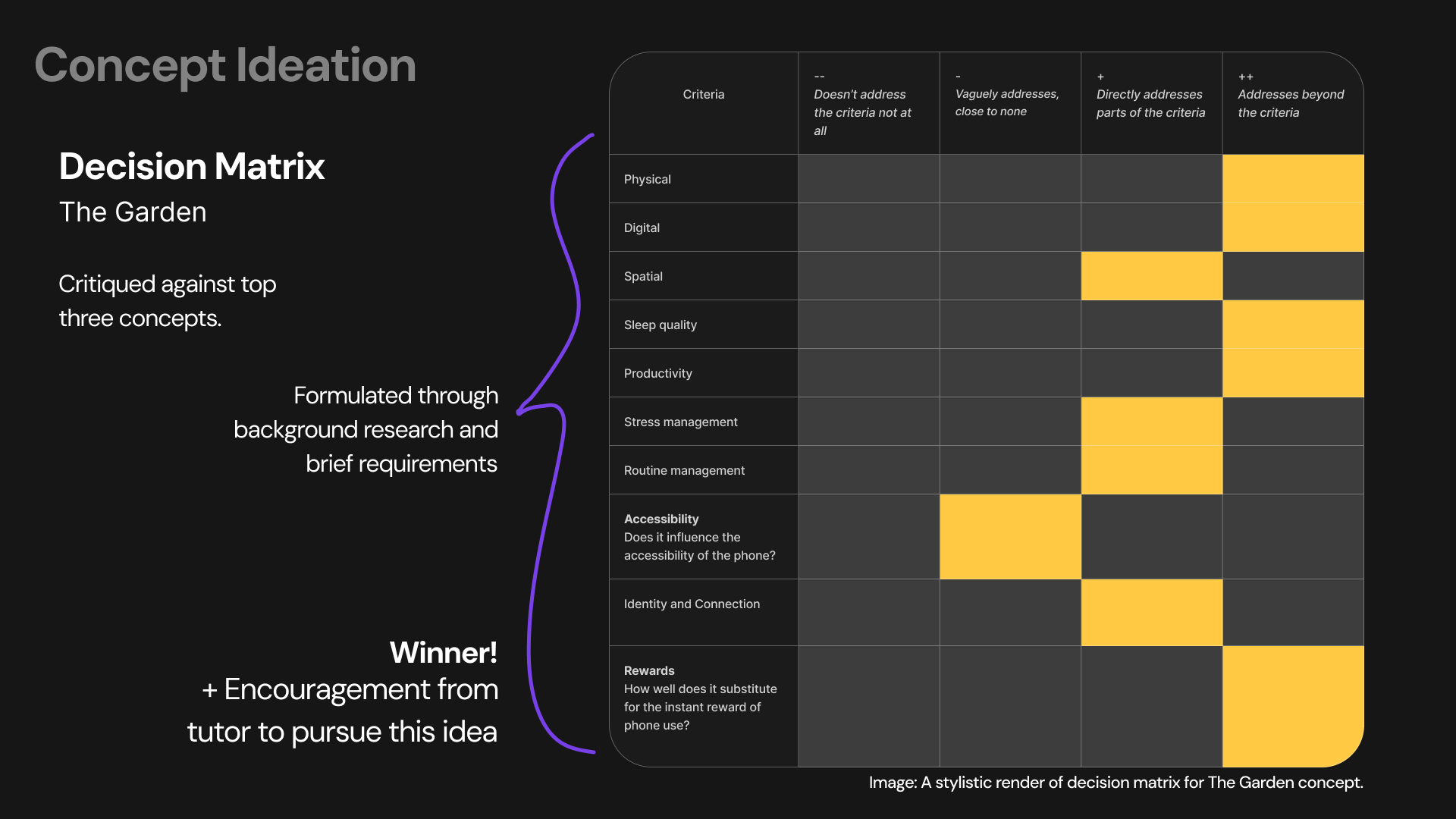
We started with a broad range of concepts, filtering them through a decision matrix focused on Physicality, Sleep Quality, and Accessibility.
Initial Concept:
"The Garden”, a digital projection.
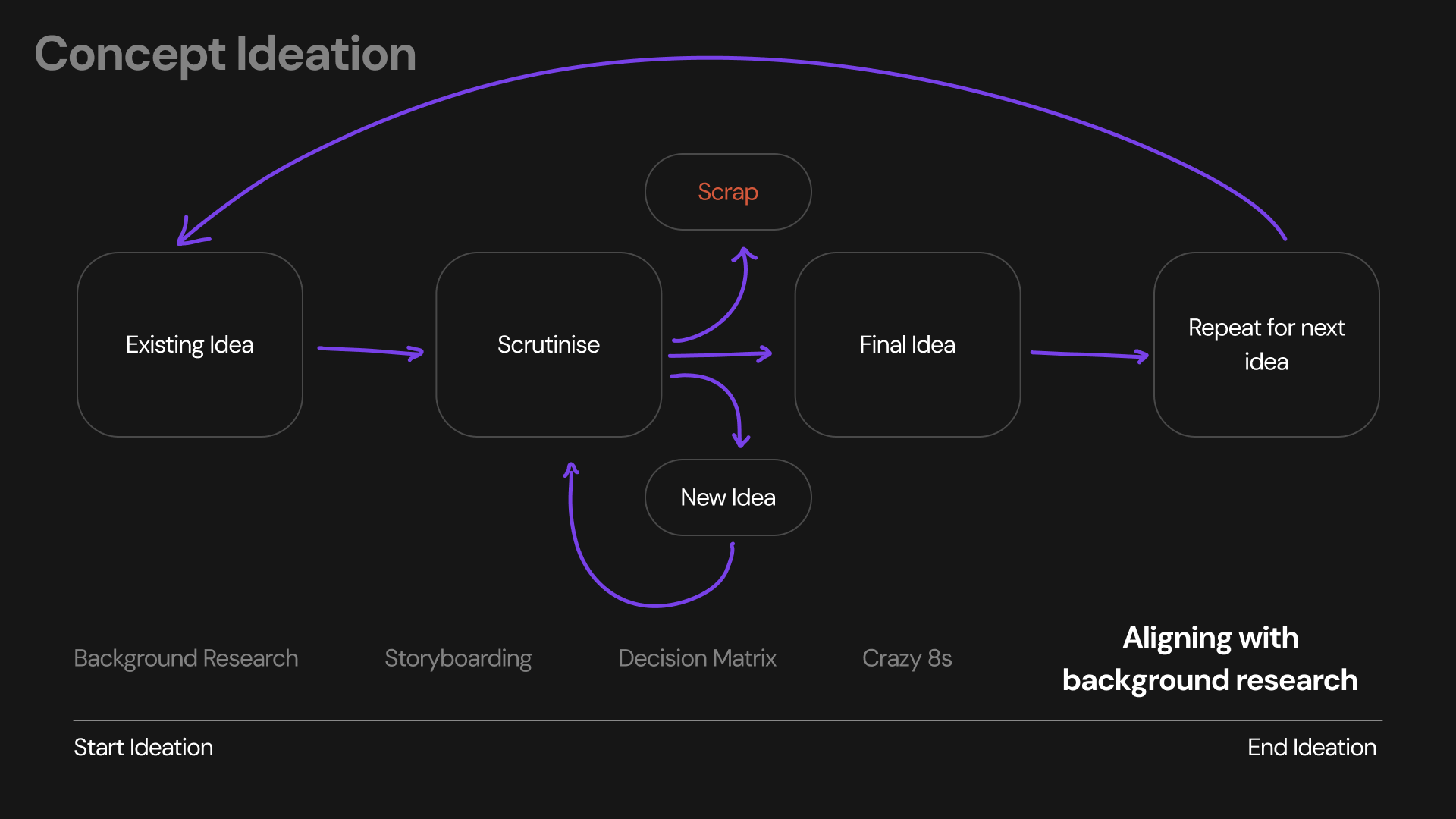
The "Scrutiny" Loop
We didn't just stop at the first good idea. We implemented a rigorous validation loop to ensure our concepts weren't just "fun," but actually solved the research problem.
The Pivot
We realised a digital-only solution couldn't solve a digital addiction. We needed materiality. We introduced the physical token dispenser to create a satisfying, tactile feedback loop that replaced the "scroll."
Iteration 1 (Bloom): A personal device for home use.
We built mid-fidelity prototypes using Lego to test the physical interaction, paired with a digital interface for the gamification layer.
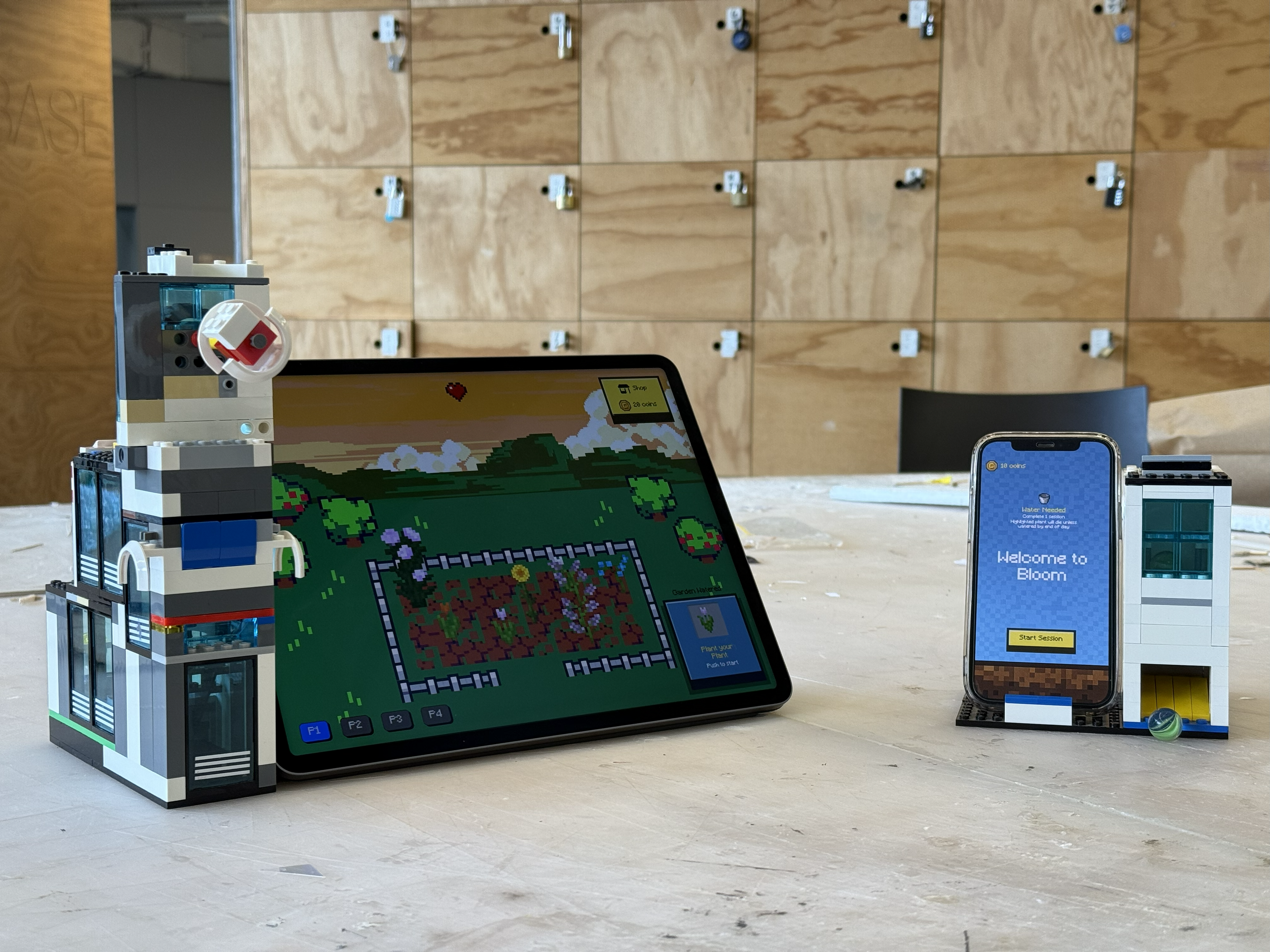
We conducted usability testing with 8 users using a "Think Aloud" protocol and the System Usability Scale (SUS).
Friction Points: Users were confused by the dual-screen setup (Phone + iPad) in early versions.
Visual Hierarchy: "Customise" buttons were often missed, and users expected a more familiar "Shop" interface for spending tokens.
Refinement: We simplified the user flow, clarified the connection between the physical token and the digital reward, and added a "Bedside Dock" companion app to bridge the gap between study habits and sleep hygiene at home.
Iteration 2 (Rootine): Shifted to a public library installation.
Why? User testing revealed that a personal device at home was easily ignored. Placing it in a library leveraged the "study mindset" and social accountability.
The Impact
Participants resonated deeply with the concept, noting that the visual progression of the garden provided the external motivation they had been lacking.
Key Outcomes
1
Behaviour Change: Users reported that the physical act of "docking" the phone served as a powerful mental switch, shifting their focus from distraction to concentration.
2
Reduced Anxiety: By offloading the responsibility of self-control to the device, users felt less "Technostress."